
How volunteering can contribute to shared projects
Volunteers can add time or relevant skills to shared projects that would otherwise have limited capacity. Their contribution may help a neighborhood group prepare an event, maintain a garden, or clear a public space, but extra effort does not guarantee that every task will be completed. The result depends on the project’s goals, available resources, and coordination. Kindness and Community Guide is an independent information guide, not a project organizer or volunteer service.
Time and task capacity
When a project has more practical tasks than its regular team can cover, volunteers may increase the time available for the work. The estimates below are illustrative planning examples for small activities, not standard staffing requirements; actual needs vary with site size, access, and the work involved.
| Task | Volunteer contribution | Project resources | Coordination needed |
|---|---|---|---|
| Event setup | 6 volunteers × 2 hours to arrange tables, chairs, and signs | Tables, chairs, signs, and a layout plan | One person assigns zones and confirms delivery and access times |
| Garden maintenance | 4 volunteers × 2 hours to weed beds and spread mulch | Hand tools, mulch, water access, and a defined work area | Identify priority beds, divide tasks, and arrange tool storage |
| Community cleanup | 8 volunteers × 2 hours to collect litter along an agreed route | Gloves, litter bags, route information, and waste collection | Set meeting points, allocate route sections, and organize bag pickup |
Those hours can expand capacity by covering setup, routine upkeep, or a larger cleanup route. They do not ensure completion: late deliveries, a larger-than-expected site, missing tools, or additional waste can leave work unfinished. A clear task list and a named coordinator help match volunteer time to the project’s actual priorities.
Skills that support project work
Volunteers may contribute skills that suit a specific project task, such as bookkeeping for tracking event expenses, graphic design for a local notice, or horticultural knowledge when planning planting beds. Matching a person’s experience to a defined task can make the contribution more useful than assigning work by availability alone. For example, a volunteer who can prepare a simple materials list may help a garden team estimate how much compost or mulch to obtain.
Skill alone does not determine the result. The project needs suitable materials, access to the relevant information, and enough time to use the contribution; a planting plan cannot be carried out if plants, tools, or an agreed site are unavailable. Project goals also shape which expertise is relevant: a one-day cleanup needs clear route and collection arrangements, while a longer-term garden project may need seasonal planting knowledge.
Coordination connects the skill to the work. Agreeing on a task, deadline, and point of contact helps a volunteer produce something the team can use, such as a completed budget sheet or a planting schedule for a named bed. These practical contributions show how volunteering to support local communities can extend a project’s capacity when the role and available resources fit its purpose.
Relationships and participation
Volunteering can give you ways to meet people while taking part in local activities. Volunteering and social connections may develop through anything from a short exchange at an event to regular contact over several weeks. The type of activity, its schedule, and how people are invited all affect who can join and how they interact. Taking part can also mean contributing to decisions or sharing local knowledge, not just being present.
Shared activities as contact points
Community events, shared maintenance, and group projects create practical opportunities to talk while doing something alongside other people. The amount and continuity of contact can vary.
- At a neighborhood clean-up, you might exchange a greeting while collecting litter along one block; a brief conversation can remain limited to that event.
- A seasonal fair creates natural pauses while setting up a welcome table, directing visitors, or serving refreshments, giving volunteers and residents time to talk informally.
- During shared maintenance, such as tending a public garden, people may meet on scheduled mornings; familiar faces can make later conversation easier without guaranteeing friendship.
- Preparing a community event brings people into contact around a shared task, while different schedules or assigned roles can limit who gets to interact.
- Open invitations, clear start times, accessible venues, and welcoming introductions can widen participation; transport, language, caregiving, or mobility barriers may still affect who joins.
A single event may offer only a brief exchange, while recurring activities can create chances to recognize and speak with the same people again. Whether those encounters grow into lasting relationships depends on continued contact and the way the activity is organized.
Participation beyond attendance
Being present at a volunteer activity is one form of participation; helping shape what happens is another. For example, you might attend a neighborhood meeting, suggest which street needs a litter pick, then help agree on a date and meeting point. In a food distribution or community event, volunteers may carry out assigned tasks without taking part in decisions about schedules or priorities. Both roles contribute, but they offer different levels of input. Sharing local knowledge can also influence an activity’s design. A resident who knows that a public meeting place is difficult to reach by bus might raise the issue during planning, while someone familiar with local languages could identify a need for translated notices. Whether such input affects the final decision depends on who is invited to contribute, when feedback is requested, and who has authority to act on it. Clear routes for proposing changes and reporting decisions can make participation more meaningful, though they do not ensure that every suggestion is adopted.
Skills and knowledge in a community setting
Volunteers may bring useful knowledge from work, hobbies, education, or everyday responsibilities. A community role can also offer practical experience with tasks that are new to the volunteer. The benefits of volunteering for the community depend partly on matching a person’s abilities to a real task and providing appropriate guidance. Examples range from preparing records to caring for a shared garden, with different support needs in each setting.
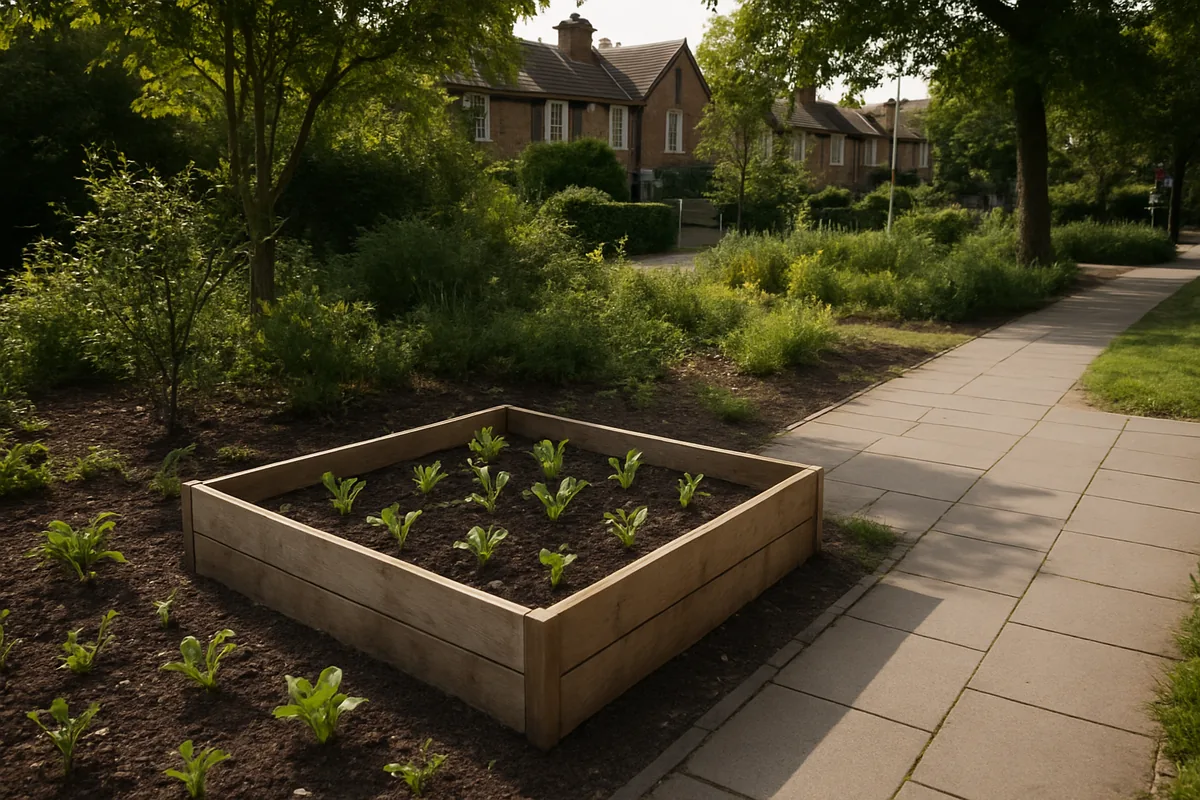
Existing knowledge in practical roles
Skills developed elsewhere can be useful in community settings, but the task should match what a volunteer can reliably do. The examples below show practical applications and where experience may not transfer directly.
| Existing knowledge | Suitable community task | Support need | Transfer boundary |
|---|---|---|---|
| Gardening: identifying common plants and using hand tools | Weeding a shared planting bed or watering established plants | Agree which plants to retain, where tools are stored, and the watering routine | Knowledge of a home garden may not cover unfamiliar plants, soil, or site rules |
| Translation: fluency in a language used by community members | Helping translate a short event notice or basic sign-up information | Check the intended meaning, audience, and preferred terminology with the organizer | Conversational fluency does not automatically qualify someone to interpret legal or medical information |
| Administration: organizing files, calendars, or correspondence | Updating an event list, preparing labels, or sorting routine paperwork | Provide the current format and clarify who may access records | Familiarity with office software does not establish permission to handle confidential information |
| Event planning: coordinating dates, suppliers, or a running order | Preparing a schedule or tracking practical arrangements for a local gathering | Identify the decision-maker, budget limits, and changes that need approval | Planning a private event may not account for a community group’s processes or access needs |
These matches can help address local community needs without assuming that experience in one setting applies unchanged in another. A clearly scoped task lets organizers use existing knowledge while identifying where instruction or review is needed.
Experience through supported tasks
Practical experience can develop when a volunteer is given a defined task, such as recording event registrations, preparing materials, or following a garden maintenance checklist. A brief demonstration shows the expected method; written steps or a sample completed form can help the volunteer repeat it. The task should have a clear endpoint and a named person to ask when an instruction is unclear. Trying a task is exposure, not proof of competence. Someone who has helped assemble one event may know the sequence without yet being able to coordinate schedules, suppliers, and changes independently. Feedback tied to observable work—such as whether a record is complete or materials are in the agreed location—makes progress easier to assess. A suitable role can add responsibility gradually, with review before the volunteer takes on a more complex duty. If work is repetitive or offers no explanation, it may provide little opportunity to build skills beyond that single assignment. Role design and access to guidance therefore shape whether volunteering builds a usable skill or simply introduces a task once.
What affects the impact of volunteering
The impact of volunteering on local communities depends not only on the hours offered, but also on how those hours fit a project’s needs. Continuity, preparation, clear role boundaries, accessibility and coordination all affect whether support is dependable. As you consider volunteering, look at the arrangements around a role as well as its stated purpose. These conditions help a project use volunteer time responsibly alongside its paid and specialist work.
Conditions for useful contributions
Useful volunteer contributions depend on practical arrangements that fit both the role and the people taking part. Check how each factor affects day-to-day participation before you commit.
- Continuity: A regular two-hour shift each week can make attendance more predictable than occasional drop-ins, especially when a project needs the same people to follow an agreed routine.
- Appropriate training: A short induction, followed by supervised practice on the first shift, helps you follow procedures such as sign-in, privacy, equipment handling or referral routes.
- Clear responsibilities: A written role description should name the tasks, time commitment, reporting contact and limits, so you can tell what to do and when to ask for help.
- Accessibility: Step-free access, reachable transport, flexible shift lengths and information in usable formats can determine whether a person can participate consistently, rather than attend only once.
- Coordination: A named coordinator who confirms schedules, shares updates and handles cancellations prevents duplicate effort and gives volunteers a reliable contact when plans change.
When these arrangements are in place, you can judge whether a role is realistic for your schedule and abilities. A project can also plan coverage more reliably, rather than relying on informal assumptions about who will attend.
Volunteer and paid responsibilities
Volunteer support should add capacity to a project, not quietly substitute for a post that requires paid hours or specialist expertise. For example, volunteers may help prepare materials for a community event, while a paid coordinator remains responsible for staffing plans, budgets and delivery. You should be able to identify who holds that responsibility before accepting a role. The nature of a task matters. Sorting donated books or welcoming visitors can often be learned through a clear briefing and supervision. Electrical repairs, clinical assessment and legal advice call for relevant qualifications and accountability; a volunteer should not be assigned these duties merely because a project lacks staff time. Where specialist input is needed, the project must arrange an appropriately qualified person. Responsibility should match experience and authority. If you are asked to make decisions affecting another person’s care, confidential information or access to a service, ask who supervises the work and who handles difficult cases. A named staff lead, defined escalation route and realistic check-ins make the boundary visible instead of leaving you to resolve problems alone. The project’s capacity also sets limits. Before a volunteer role begins, confirm that someone can provide induction, answer questions and review the work; without that support, even a modest assignment can become unreliable. Volunteer work and community development are strongest when unpaid contributions complement funded roles and the project retains clear ownership of its commitments.
A balanced view of community benefits
The benefits of volunteering for the community depend on what local groups are trying to achieve and what resources they can sustain. A regular contribution can help a neighborhood project maintain momentum, while a short-term effort may be better suited to a defined event or task. The impact of volunteering on local communities also depends on reliable coordination and clear boundaries around responsibility. Looking at both potential contributions and practical limits gives residents and organizers a sounder basis for planning.
Possible contributions over time
Volunteer contributions can build gradually when the same community project has support across several weeks or seasons. For example, residents helping with a monthly neighborhood clean-up may make it easier to keep a public space usable between larger improvement efforts. The value comes from matching available time and relevant skills to a defined aim, such as preparing supplies, welcoming participants, or completing an agreed task.
Interaction during these efforts can also help people identify local priorities. A volunteer assisting at a food collection, for instance, may hear which collection times work for residents and pass that information to the organizers. This kind of feedback can support adjustments to shared activities, though it does not guarantee that every local need will be met.
Participation may continue beyond a single task when people can take on roles that fit their schedules and the project’s resources. A group with a clear plan for a three-month garden project can decide which tasks volunteers can cover and what materials or paid support are needed. These practical limits shape the scale of community volunteering benefits: contributions are most useful when goals, available resources, and coordination remain aligned.
Limits and shared responsibility
Volunteer availability is often uneven. A community event may attract many helpers on a Saturday but have few people available for weekday follow-up, while work, caregiving, illness, or transport can interrupt regular attendance. Organizers need to account for these changes when setting deadlines; a task that depends on one person every week is vulnerable if no backup is arranged.
Coordination also takes time and resources. Someone must communicate schedules, explain procedures, provide materials, and respond when plans change. If a small group is expected to manage all of this alongside delivery, volunteers may become overextended and the project can lose continuity. Clear task boundaries and a named contact can make a short-term effort, such as a one-day street clean-up, more manageable without implying that volunteers can provide unlimited ongoing labor.
Community support is not a substitute for public services, stable funding, or long-term policy responses. Volunteers can help a local pantry sort donated food, for example, but volunteering alone cannot resolve the wider causes of food insecurity. Shared responsibility means that residents, community organizations, funders, and public agencies each have appropriate roles. The practical approach is to match volunteer contributions to the project’s actual capacity, with realistic tasks, adequate coordination, and responsibility shared beyond unpaid helpers.