
A practical guide to kindness and volunteering
Everyday kindness, volunteering, and community impact in the UK.
Everyday acts of kindness
Small acts of kindness can fit into ordinary routines without requiring a special occasion. A few minutes of attentive listening, help with a shared task, or making room in a crowded space can make someone’s day easier.

A practical guide to kindness and volunteering
Kindness can be expressed through a brief everyday interaction, while volunteering usually involves a defined contribution to a group or community activity. Both can support considerate relationships, but they differ in scale, organisation and time commitment. This guide covers personal actions, kindness observances and community volunteering in the UK. It offers practical information rather than services, referrals or advice on behalf of a particular organisation.
What the guide covers
The topics range from considerate actions in daily life to organised volunteering in community settings. You will find discussion of how kindness can be expressed in an ordinary interaction, how public observances can prompt deliberate gestures, and what community volunteering may involve. These subjects are treated as related but distinct: a one-off helpful action does not carry the same commitments as a regular volunteer role.
The material is intended to help you compare options and assess general considerations, not to provide a service or speak for a charity, council or volunteer provider. It cannot confirm current vacancies, eligibility or role-specific arrangements. For those details, you need information from the organisation offering the role; the guide supplies context for considering what may suit your circumstances.
How the topics connect
Personal acts of kindness take place within relationships, while organised volunteering brings people together around shared activities, such as maintaining a community space or supporting a local group. Both can contribute to trust and practical cooperation: a considerate exchange may make a neighbour feel acknowledged, and a coordinated volunteer task can help a group complete work that depends on several people. Their effects are shaped by context, participation and continuity.
Individual gestures and volunteer hours do not, on their own, resolve wider social problems such as poverty or isolation. They can form part of a community response, alongside sustained services, public resources and decisions made by institutions. When considering your contribution, distinguish what one action can reasonably do from what requires collective or structural change. A suitable starting point is a small, manageable action or a clearly defined role.
Everyday acts of kindness
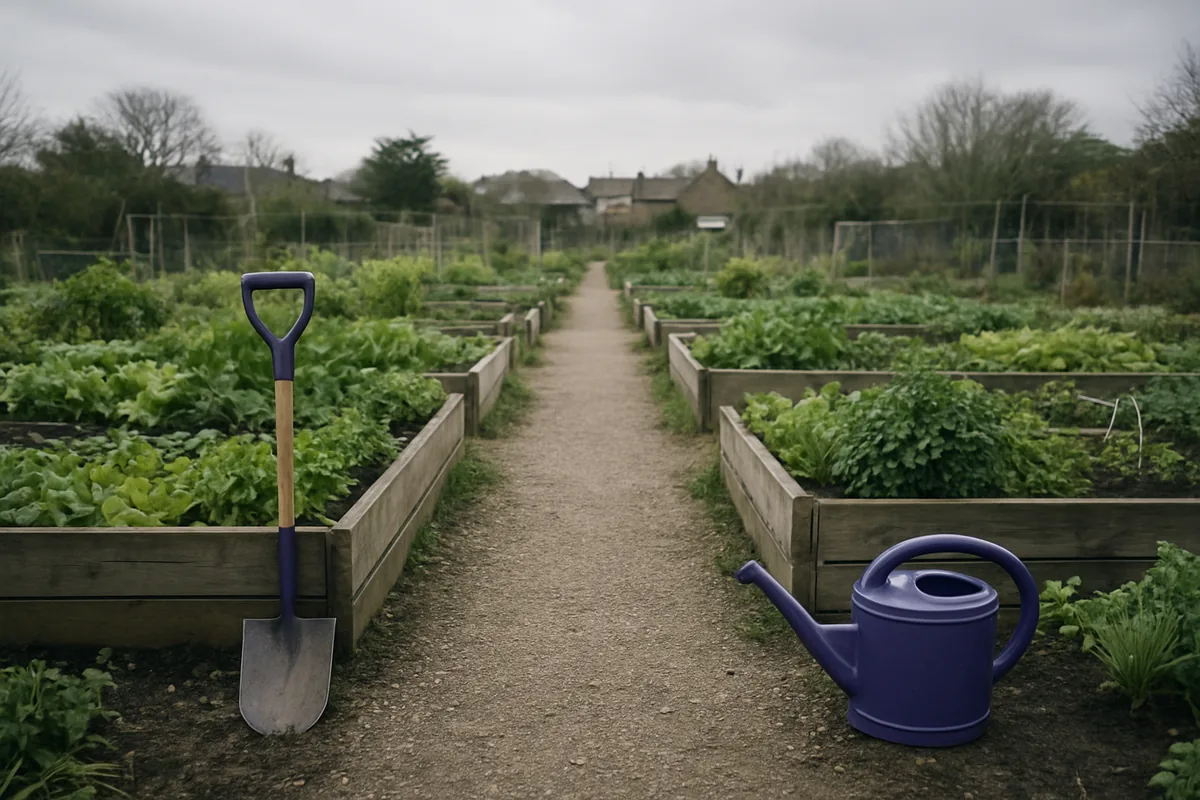
Small acts of kindness can fit into ordinary routines without requiring a special occasion. A few minutes of attentive listening, help with a shared task, or making room in a crowded space can make someone’s day easier. What is useful depends on the person and setting: a neighbour may welcome help carrying shopping, while a colleague may prefer to manage independently. Notice the circumstances and let the other person guide your response.
Considerate actions in daily life
Listening without interrupting is a useful everyday gesture: give someone a few minutes of attention, put your phone aside, and ask a simple follow-up if they seem ready to talk. Practical help can be equally modest, such as holding a lift door, carrying a bag when asked, or sharing notes after a missed meeting.
In shared spaces, consideration might mean keeping a doorway clear, lowering your voice on a train, or returning a borrowed item promptly. The same offer will not suit everyone. A neighbour may appreciate help bringing groceries inside, while another may prefer privacy. Ask what would be useful instead of assuming, and let the person’s preferences and circumstances shape your gesture.
Choosing a helpful response
Notice a specific cue, such as someone juggling bags at a doorway or looking for a seat, rather than deciding what they need from appearance alone. Offer one clear option—“Would you like me to hold the door?”—and leave room for an easy no. If they decline, accept it warmly without asking them to explain; if they agree, do only what they accepted.
The guide’s page on kindness ideas offers examples suited to different ages and situations, while its page on being kind to others describes attentive listening and respect in conversation. A brief, specific offer followed by respect for the answer is a practical way to help.
Ideas for random acts of kindness
A small gesture can make someone’s day easier without requiring a special occasion or a large amount of time. A note, a practical offer or a few minutes of attention can suit different relationships and settings. Adapt each idea to the recipient rather than treating it as a fixed formula. Choose something you can offer sincerely and comfortably.
Ideas for different ages and situations
A kind gesture can fit a school day, a workplace, a shared home or a visit with a neighbour. Choose an idea that suits the person and moment; the ideas page has more examples.
- For a child who enjoys drawing, suggest making a cheerful picture for a relative, then check whether the recipient would like to receive it.
- At work or school, send a short message thanking someone for a specific contribution, such as explaining a task or welcoming a new classmate.
- If a friend is developing a practical skill, offer to share what you know for 20 minutes, such as showing them how to mend a loose button.
- When a neighbour has an agreed errand or household task, offer to help with that specific job at a time that works for them.
- During a visit or phone call, put your device aside and give someone a few uninterrupted minutes to talk about their interests or day.
A brief, specific offer is easier to accept or decline than an open-ended promise.
Making a gesture appropriate
Before offering help, check whether it is wanted: “Would it help if I…?” gives someone room to accept, decline or suggest another option. Context matters; carrying shopping may be useful when invited, but taking a person’s bag without asking can feel intrusive. Consider access and preference: a handwritten note may not suit someone who cannot read print, while a spoken message or large-text card may work better. Follow the recipient’s stated needs rather than guessing from their age, disability, appearance or circumstances. Ask a neighbour recovering at home whether they would prefer a meal, a phone call or no visit. Keep the offer specific and easy to refuse; the best gesture is one the person welcomes.
Being kind to other people
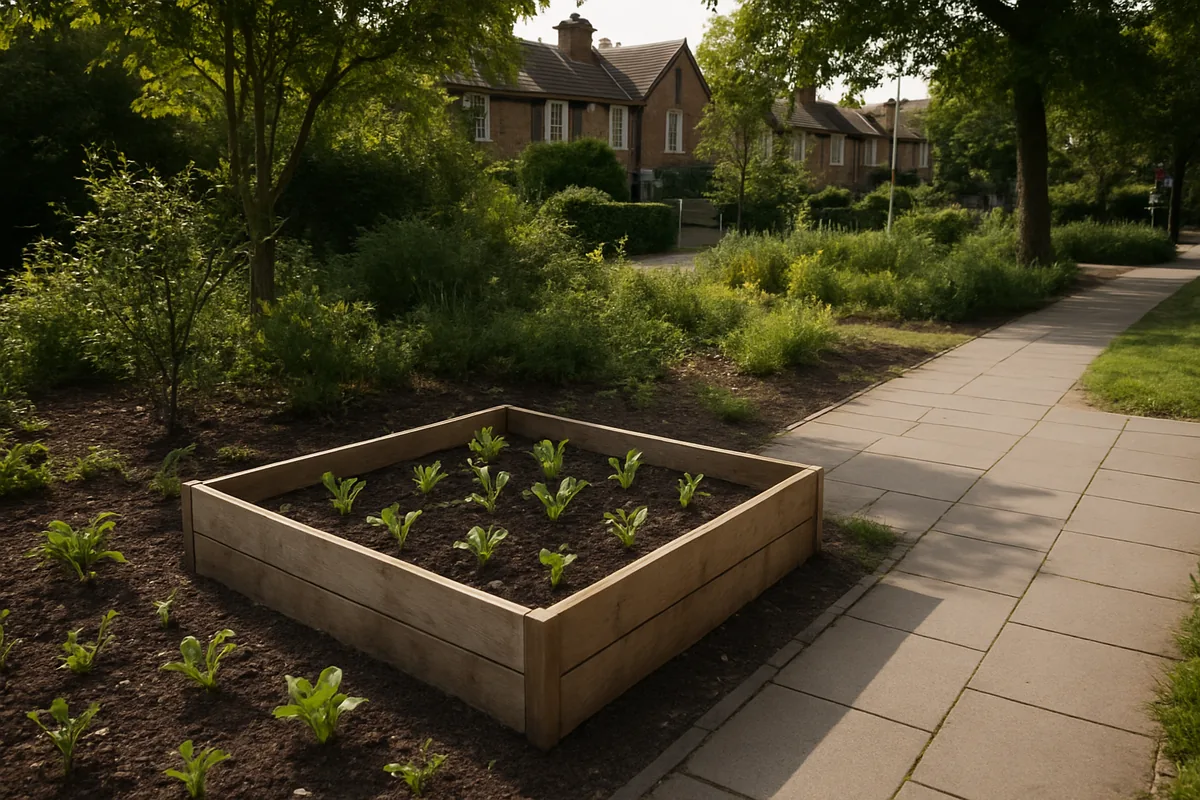
Kindness shows in how you ask, listen and respond, whether speaking face to face or messaging. Respect does not require agreement; it means taking another person’s time, choices and privacy seriously. Small, specific habits can prevent misunderstandings and make everyday contact more considerate.
Communication and attentive listening
Use clear, specific language and a calm tone when raising a concern; say what you noticed and what you need rather than hinting or blaming. In conversation, let the other person finish before replying, even if a pause feels long. Give them time to explain their priorities or feelings without planning your answer over their words. To check that you have the main point right, briefly restate it in your own words and ask whether you have it right; this can catch a mistaken assumption early. Then respond to what they actually said: ask one focused question if a detail is unclear, or acknowledge their view before offering a different perspective. In text or email, short sentences and a neutral opening reduce the chance that brevity reads as irritation.
Respect in everyday interactions
Treat differences in preference and circumstance as reasons to ask rather than assume. Someone may prefer a quiet conversation, more time to decide or no help at all; accept a clear answer and give them room. In person, avoid crowding, interrupting or pressing for personal details. Online, read a message before replying and avoid using jokes or sarcasm when you are unsure how they will land. If you agree to call, arrive or complete a small task, keep the commitment or let the person know promptly if plans change. The practical guide to being kind to others offers further examples; a useful daily standard is to respect stated boundaries and follow through on what you promise.
Being kind to yourself
Self-kindness means responding to your own needs with the same patience you would offer someone else. It can start with how you speak to yourself after a difficult day or a missed task. Clear boundaries help you manage your time and energy without dismissing other people. Rest and small habits can support you while you continue meeting your responsibilities.
Realistic self-talk and personal boundaries
When a plan goes wrong, replace a harsh verdict such as “I’m useless” with a specific, fair account: “I missed the deadline; I can tell my colleague and agree a new time.” This recognises the problem without turning one mistake into a judgement about your character. Ask what you would say to a friend in the same situation, then use that more balanced wording with yourself.
Boundaries make your available time and energy clearer. If a neighbour asks you to help on Saturday but you have an appointment, you can say, “I can’t this weekend, but I could help for an hour next Tuesday.” You can also decline without offering another date: “I’m not able to take that on.” A respectful, timely answer is clearer than agreeing and later becoming resentful or unavailable.
Rest and manageable habits
Rest can be a planned part of an ordinary week, not only a reward after every task is finished. For example, protect a 20-minute lunch break or leave 30 minutes between evening commitments. Small habits are easier to maintain when they have a clear cue: prepare tomorrow’s bag after dinner, or take a short walk after work twice a week. Adjust the plan when your schedule changes rather than treating one missed day as failure.
Self-kindness does not mean ignoring a deadline, a caring commitment or another person’s needs. If you need to pause, tell the person affected when you will respond or arrange practical cover where possible. Choose one realistic habit and one regular period of rest this week; keeping both manageable is more useful than making a demanding plan you cannot sustain.
Kindness in online spaces
Online conversations can move quickly, especially in group chats and public comment threads. A short message may sound harsher than intended because readers cannot hear your tone of voice. You can take a moment to check what was said and decide whether a reply will help. Thoughtful responses and careful handling of personal details can make disagreement more respectful, though they cannot prevent every harmful interaction.
Pausing before replying
Before replying to a heated post, take a brief pause and check these details:
- Read your draft aloud once; replace words that label someone as foolish or malicious with a clear description of the specific point you dispute.
- Separate the claim from its author: quote or summarise the statement accurately, then respond to its evidence rather than guessing at the person’s motives.
- Ask one clarifying question, such as what the writer means by a particular phrase, before treating an ambiguous comment as a deliberate insult.
- If you feel angry, close the thread and return after a short break; reread the post and your draft before deciding whether to send it.
A two-minute pause can help you spot wording that would escalate the exchange.
Disagreement and privacy
You can challenge an idea without attacking the person who expressed it. State the point you disagree with, explain why, and refer to a specific claim or example rather than using insults, labels, or assumptions about someone’s character. If a thread becomes personal, you can stop replying instead of trying to win the exchange.
Protect privacy by leaving out details such as a person’s home address, phone number, workplace, or daily routine. Before reposting a message, photograph, or screenshot that identifies someone, ask their permission; remove names and other identifying details when sharing is necessary. A useful final check is to reread your reply for both personal attacks and identifying information before you post.
Random Acts of Kindness Day
Random Acts of Kindness Day offers a calendar prompt to turn good intentions into deliberate action. You can use the observance to choose one considerate gesture that suits the people and setting involved. It is a commemorative day, while considerate behaviour can also be part of ordinary routines throughout the year. If you plan to mark it in 2026, check a UK-focused date guide before sharing a date.
The observance and deliberate kind actions
Random Acts of Kindness Day gives you a specific occasion to pause and choose a kind action deliberately. The value of the observance is in the prompt: rather than waiting for a convenient moment, you can decide in advance to offer help, appreciation or encouragement. A small, relevant gesture can be more useful than a grand display; for example, you might thank someone for a contribution they made that week. The day is distinct from everyday considerate behaviour, which does not depend on a named occasion or calendar reminder. You can take part without treating kindness as a one-day task or expecting recognition in return. Choose an action that fits the person and situation, then let the observance be a reminder to keep consideration in view beyond that date.
Checking the UK date for 2026
To confirm when to mark Random Acts of Kindness Day in 2026, check the UK-focused 2026 page rather than assuming a date from memory. Date listings can differ when calendars follow different observance conventions, and a date associated with one country may not be presented the same way in a UK guide. Check that the guidance is specifically for 2026 and note the date it gives before adding the observance to a diary or sharing it with a group. If you see conflicting listings, compare their stated country and year instead of choosing the first result. Verify the UK date before making plans.
Community volunteering
Community volunteering turns shared priorities into practical help close to home. You can contribute alongside neighbours or offer a skill for a defined task. Roles may involve a single activity or regular support. The sections below cover common contributions and how to choose a suitable starting point.
What community volunteering can involve
Community roles can support shared activities, meet practical needs or make use of experience you already have. The task may be public-facing or handled behind the scenes.
- Help run shared activities by setting out materials, welcoming participants and keeping a session moving, making community gatherings easier to organise and take part in.
- Take on practical jobs such as preparing rooms, sorting donated supplies or tending a shared outdoor space, following the task plan agreed with the group.
- Contribute relevant skills in areas such as basic IT, photography, translation, repairs or budgeting when a community group needs help with a defined project.
- Assist with routine administration by updating attendance records, answering enquiries, arranging calendars or preparing mail, with duties matched to your experience and agreed responsibilities.
These contributions can be occasional or part of a regular rota, depending on the activity. Choose a task that fits what you can reliably offer.
Getting started and choosing a role
Before applying, clarify what the role involves day to day: for example, whether you would welcome visitors, prepare supplies or complete records. Ask how often help is needed, how long each shift lasts and whether the commitment changes during busy periods. A clear task description helps you compare opportunities with your available time and interests. Check the expectations for the role, including any induction, experience or checks required, and who will answer questions or provide guidance. Support might include a named coordinator, written instructions or training before you begin. Use the getting-started and role-selection guidance to weigh these details, then contact a group with your questions before agreeing to a role.
How volunteering can affect a community
A neighbourhood project may bring volunteers together to plant a shared garden, run a community event or maintain a local space. Their time can add capacity, while regular contact may help neighbours build trust and work together. The effects depend on the project, its resources and the people involved; volunteering does not guarantee lasting change. Your contribution is most useful when it supports a clear community purpose.
Possible contributions to community life
Volunteers can help a shared project move from planning to practical work. For example, a group might prepare a community garden, organise a local event or keep a shared space usable. These tasks can make a project more visible and give residents a reason to take part, although results depend on local needs, funding and ongoing support. Working alongside others can also create opportunities for conversation between neighbours who might not otherwise meet. Volunteers may share practical skills such as budgeting, gardening, translation or event planning, and residents can contribute their own experience. That exchange can support relationships and encourage participation beyond the original task. It is a possible effect, not a guaranteed outcome: a short project may finish without creating lasting connections. Supporting local charities and community groups can make a positive difference when volunteer effort complements their priorities and the knowledge of people who use their services.
Capacity and coordination limits
Volunteer capacity can change from week to week. A project may have enough people for a single Saturday clean-up but too few to maintain the site every month, leaving tasks unfinished or shifting extra work to a small core team. Clear role descriptions help people know what they are responsible for, when they are expected, and who can answer questions. Communication also affects continuity: a named coordinator, shared schedule and brief handover can help prevent missed tasks when someone is absent. Without coordination, volunteers may duplicate work or overlook practical needs such as tools and access to a venue. The benefits page gives more detail about possible effects on community life. For a dependable contribution, agree one manageable task, a realistic time commitment and a contact person before work begins.
Finding a volunteering role that fits
A suitable role should match what interests you and what you can reliably offer, not just a cause you admire. Compare the time commitment, access requirements, responsibilities and support before you agree to take part. A role that fits your schedule and abilities is more likely to remain manageable over time. Use the comparisons below to narrow down your options.
Factors to compare when choosing a role
Start with the tasks you would find meaningful, then check the practical details rather than choosing by cause alone. The examples below show how different opportunities can suit different circumstances.
| Factor | Example to check | What it means for fit |
|---|---|---|
| Interests and skills | Food preparation, outdoor work or using bookkeeping skills | Choose tasks that hold your interest and that you are prepared to develop skills for. |
| Available time | A two-hour weekly shift or a one-off weekend event | Check the stated schedule against your regular commitments. |
| Accessibility | Step-free access, travel distance and available transport | Confirm that the venue, journey and tasks work for you. |
| Responsibilities | Welcoming visitors, handling donations or working with children | Ask what duties are included and what preparation they require. |
| Support offered | Induction, a named contact and regular check-ins | Ask who will answer questions and guide you through the role. |
For skills-based volunteering opportunities, clarify the expected experience and whether tasks can be adapted to your availability. Ask about role requirements and safeguarding arrangements when relevant, especially if the work involves children or adults who may need additional support. A clear outline of duties and support helps you judge whether you can make a reliable commitment.
Formal and informal volunteering
Formal volunteering is arranged through a group or service, with defined duties, agreed times and usually a named coordinator. For example, you might take a scheduled shift, follow an induction process and report to a volunteer lead. The structure can make responsibilities and support easier to clarify before you begin. Informal volunteering is help offered directly among neighbours or within a community, without the same organised role. It might mean regularly checking in on someone nearby or joining an ad hoc effort to share supplies. A guide comparing formal and informal volunteering can help you weigh structure against flexibility. For a first step, choose the form whose expectations you can meet consistently.
Who this guide is for and how to use it
If you want clear, neutral information about kindness and community volunteering in the UK, use the topics that match your questions. The guide moves from everyday choices to ways people can take part in community life. Each topic focuses on a different question, so you can read in any order. Start with the subject most relevant to you, then review related topics if you need more context.
Readers and topics covered
This guide is for readers in the UK seeking practical, neutral information about kindness and community volunteering. You might be considering small ways to show consideration, reading about a named day, or weighing whether volunteering could suit your circumstances.
Separate topic pages address distinct questions. Some cover kindness in daily interactions, online spaces, and actions for different occasions; others explain what community volunteering can involve, how it may contribute to local life, and what to compare when choosing a role. This range lets you focus on one question without treating every kind act or volunteer role as the same. If you are new to the subject, begin with the topic closest to your interest and use the others to build a broader view of making a positive difference in your community.
Using an independent information guide
Choose topic pages according to your question: read about everyday kindness for personal situations, or review volunteering topics if you are considering ways to contribute. You can also move between related subjects—for example, from the kinds of roles available to the factors that may help you decide whether a role fits your time and interests.
This is an independent information guide, not a shop, business, service provider, school, charity, or local organisation. It does not provide placements or act on behalf of volunteer groups. Use the information to clarify your questions, then make any decisions based on the details relevant to your own circumstances and the particular opportunity you are considering. For a straightforward starting point, select one topic, note what you want answered, and read the closely related topic only if it answers another question.
Ideas for random acts of kindness
A small gesture can make someone’s day easier without requiring a special occasion or a large amount of time.

Community volunteering
Community volunteering turns shared priorities into practical help close to home. You can contribute alongside neighbours or offer a skill for a defined task.
Finding a volunteering role that fits
A suitable role should match what interests you and what you can reliably offer, not just a cause you admire.

How volunteering can affect a community
A neighbourhood project may bring volunteers together to plant a shared garden, run a community event or maintain a local space. Their time can add capacity, while regular contact may help neighbours build trust and work together.